
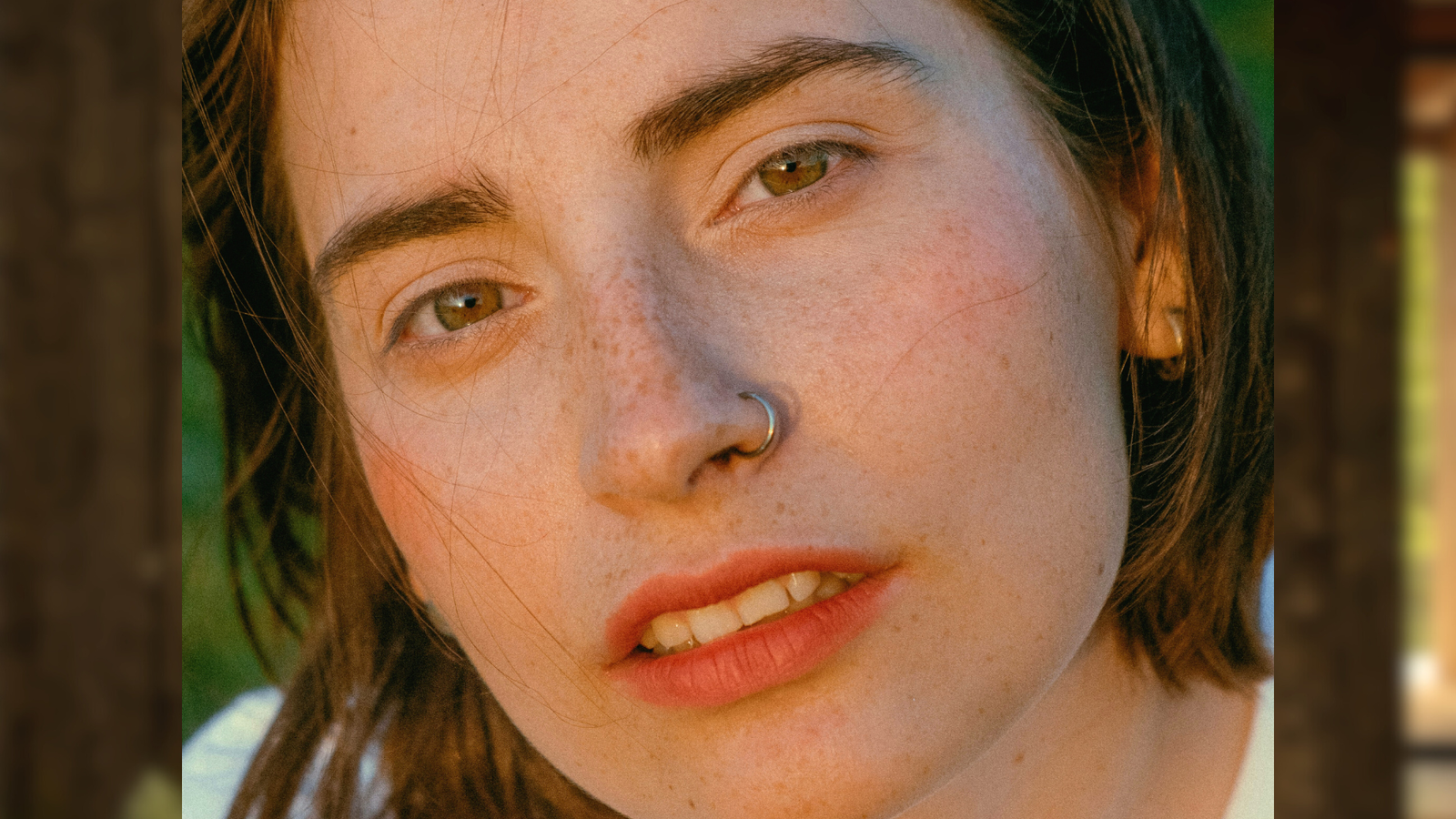

Beauty realism is redefining UK makeup in 2026: sheer base, precise correction, and a modern polish that keeps skin legible in real light.
In 2026, the most modern face in the UK is not the most corrected. It is the most restrained: lighter base, edited placement, skin that still reads as skin in daylight. After years of full-coverage culture — layered concealer, powder set hard, the slow build of a face into uniformity — a different standard is settling in. It holds up better under real light. It lasts. And it looks, crucially, like a person rather than a finish.
This is not a rejection of glamour. It is glamour re-tuned. Instead of erasing a face’s history, it refines selectively. For women over 35, the effect can be quietly transformative — not because it promises a return to youth, but because it restores ease.
Presence Over Performance
The logic of the heavy base was rarely stated, but it was widely practised: texture should be hidden, pigmentation neutralised, the face made “smooth” before it could be presented. The industry met that expectation with abundance. Products multiplied. Techniques became elaborate. The results began to resemble digital correction — not in outcome, but in intent.
Now the direction of effort is changing. Less time spent erasing, more spent editing. The face is no longer treated as a problem to solve; it is treated as something to curate.
There is a practical clarity here too. The forty-minute routine. The midday touch-up. Foundation that oxidises by three o’clock. These are not small inconveniences. They are a daily tax on time and attention. And sophistication rarely comes from density.
Heavy coverage can flatten the face and over-emphasise texture; sheer layers preserve the dimension that makes a face expressive. Recent appearances by the Duchess of Edinburgh have shown the look at its most convincing: a lighter base, minimal overt correction, complexion that remains legible up close.
The Architecture of Less
This is not “no makeup”. It is featherweight structure.
A sheer base belongs only where it earns its place — concentrated through the centre of the face and thinned outward, never built into a mask. Concealer becomes pinpoint, used for a specific shadow or blemish rather than as a second foundation across the cheeks. Powder becomes strategic: a controlled matte through the T-zone, leaving the rest of the face with movement.
In many ways, this approach is more exacting than full coverage. The base is lighter, but decisions are sharper. Brows are groomed rather than drawn. Lashes are defined with precision. The overall impression is calm — composed rather than constructed.
Colour has returned with a lighter touch. Spring/Summer 2026 has put playful tones back on the table — sky blues, latte browns, frosty accents — but they are worn as softened statements. A whisper of blue at the lash line. A warm matte wash on the lid. A rosy lift placed higher on the cheekbone. When skin remains visible underneath, colour reads deliberate rather than built.
The Edit: A Reductive Kit
To achieve this level of polish, the kit becomes reductive rather than additive:
- A skin tint: sheer, light-reflective, comfortable in daylight.
- A pinpoint concealer: thin texture, used only where necessary.
- A cream blush: diffused colour, freshness without powder build-up.
Beauty realism is not the absence of make-up; it is the end of compulsory concealment. The face is refined into itself — and the result, when done well, looks effortless because it is controlled.