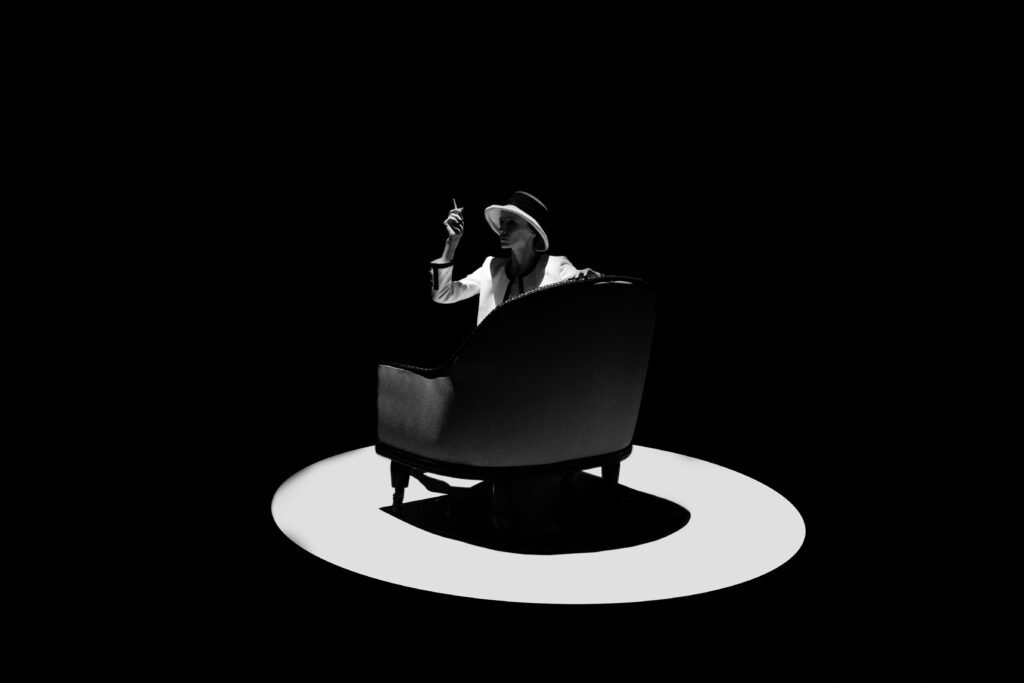
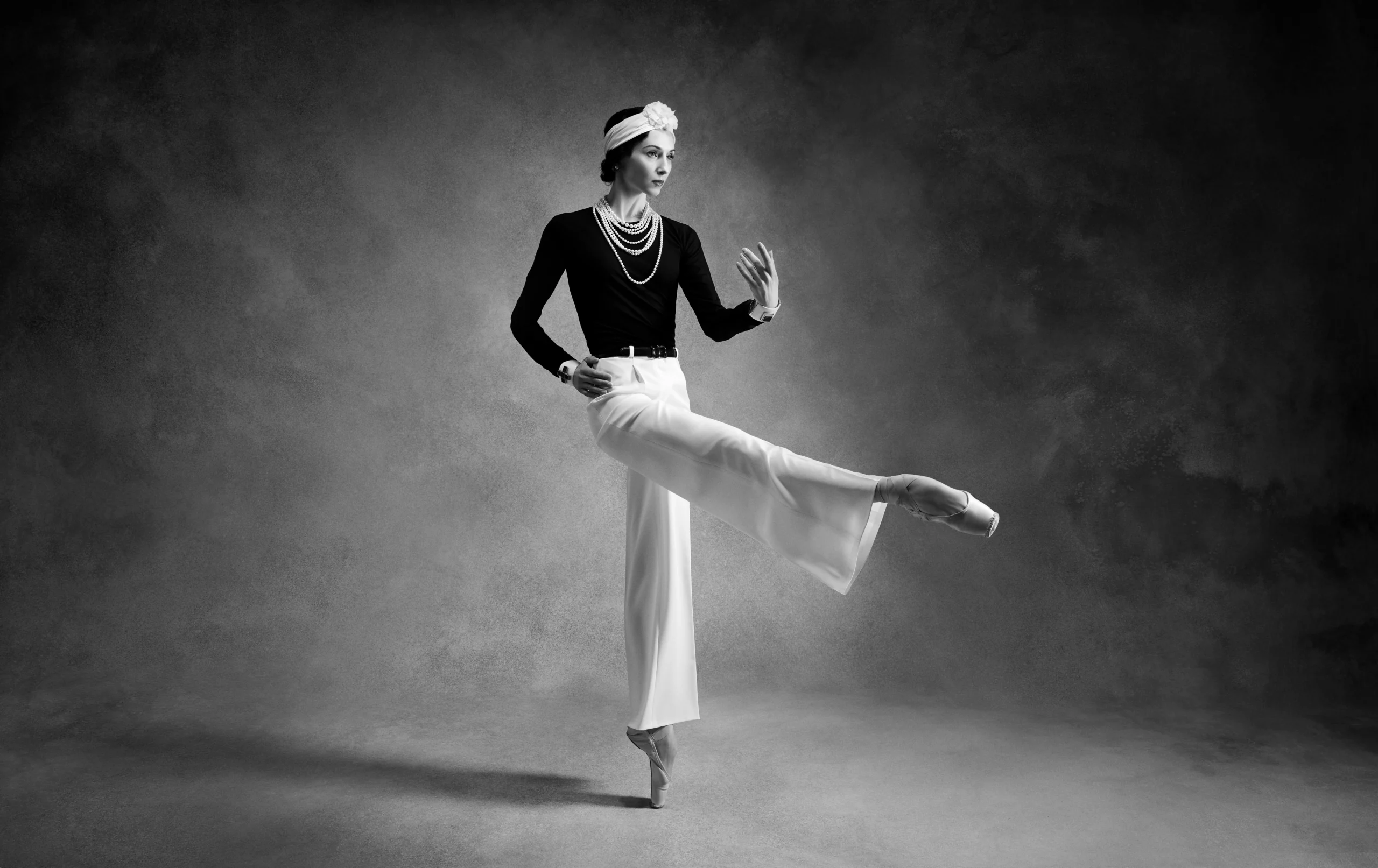

Há espetáculos que não chegam se anunciando como “momentos culturais”. Eles simplesmente se impõem com uma espécie de inevitabilidade: o teatro certo, a artista certa, a ideia certa — reunidos com rigor suficiente para que nada pareça ornamental.
Em 8 de março de 2026, a Dubai Opera apresenta MODANSE, um programa duplo conduzido por Svetlana Zakharova ao lado de um conjunto do Bolshoi Ballet. A noite se abre com Come Un Respiro (Like a Breath), coreografado por Mauro Bigonzetti ao som de Handel. Após o intervalo, o foco se volta para Gabrielle Chanel, um retrato coreográfico em um ato assinado por Yury Possokhov, com música de Ilya Demutsky e libreto e direção de Alexei Frandetti.
É tentador resumir o segundo ato como “moda encontra balé”, mas essa fórmula é rasa demais para o que este projeto realmente busca realizar. Aqui, a alta-costura não aparece como tema: ela integra a engrenagem narrativa. E a dança, por sua vez, não é decoração; é a linguagem escolhida para traduzir uma vida construída sobre modernidade, disciplina e liberdade de movimento.
Duas obras, dois temperamentos
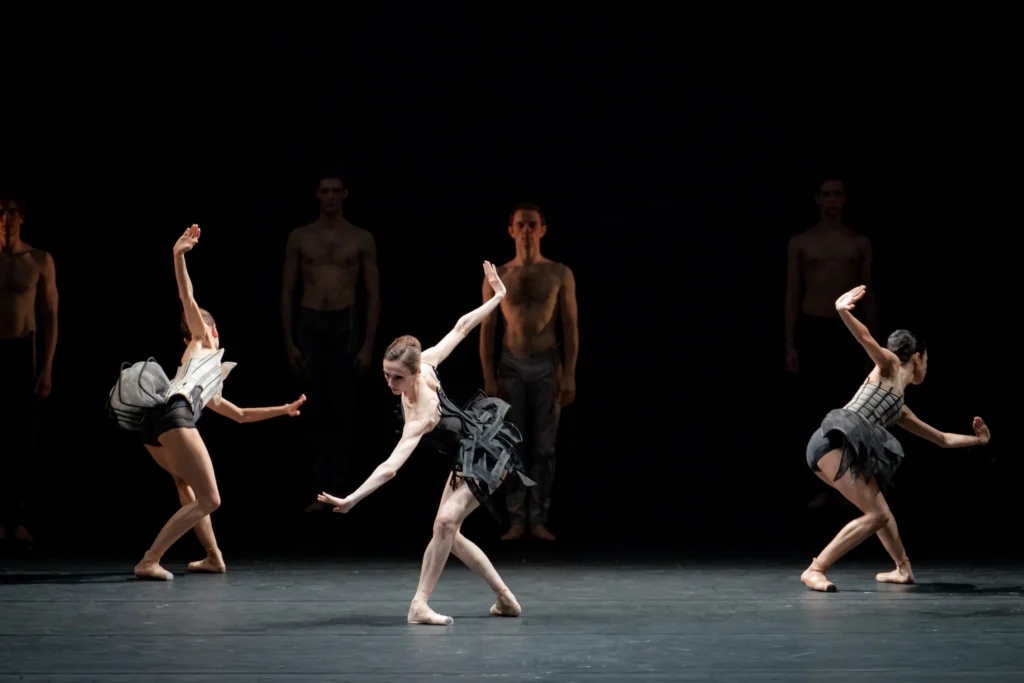
O primeiro ato, Come Un Respiro (Like a Breath), tem 45 minutos de duração. É um encontro elegante entre a disciplina barroca e a estética contemporânea, com figurinos de vanguarda assinados por Helena de Medeiros e iluminação de Carlo Cerri. Ao som de Handel, a obra carrega aquela clareza musical que torna qualquer excesso imediatamente visível — e esse é precisamente o ponto. Quando o movimento contemporâneo se encaixa de forma convincente nessa arquitetura, sente-se exatamente o que o título sugere: não suavidade, mas respiração como precisão — inspiração, suspensão, liberação.
É uma escolha de abertura particularmente inteligente, não porque “prepare” o público, mas porque estabelece um padrão. MODANSE não se ergue sobre espetáculo. Ergue-se sobre ofício.
Após um intervalo de 25 minutos, Gabrielle Chanel ocupa o palco por 60 minutos — e, com isso, a noite abandona a clareza da estrutura musical para entrar no território mais delicado da tensão biográfica. Não se trata de uma cronologia limpa, nem de um retrato organizado por datas, mas de uma presença construída em cena por meio do movimento, da atmosfera e de um contorno emocional preciso.
Gabrielle Chanel, dançada como uma ideia
Gabrielle Chanel é apresentada, de forma explícita, como um balé sobre a trajetória artística e pessoal de Chanel, explorada pela dança como expressão de beleza e liberdade. É uma premissa valiosa justamente porque não a reduz aos seus ícones. Em vez disso, conduz o olhar para algo mais exigente: o que significa construir uma vida com uma linha inconfundível — e sustentar a ideia de que a elegância jamais se separa da maneira como um corpo ocupa o espaço.
Zakharova dança Chanel. No elenco, Ana Turazashvili surge como a irmã/tia de Chanel, Mikhail Lobukhin interpreta Étienne Balsan, e Artemy Belyakov dá corpo a Arthur Capel. A montagem traz ainda cenografia de Maria Tregubova, video design de Ilya Starilov e iluminação de Ivan Vinogradov.
A partitura é central aqui. A música de Demutsky sustenta, ao mesmo tempo, mais de um registro emocional — leveza e tragédia, fascínio breve e sentimento profundo. É justamente essa recusa em se fixar em uma única nota que faz o retrato parecer vivido, e não encenado. A história de Chanel, assim como sua imagem pública, não se deixa reduzir a uma só cor. O balé não precisa “explicar” isso com palavras; ele pode carregar essa complexidade no ritmo, na cadência e na maneira como um gesto é interrompido ou deixado respirar.
O figurino faz parte da trama
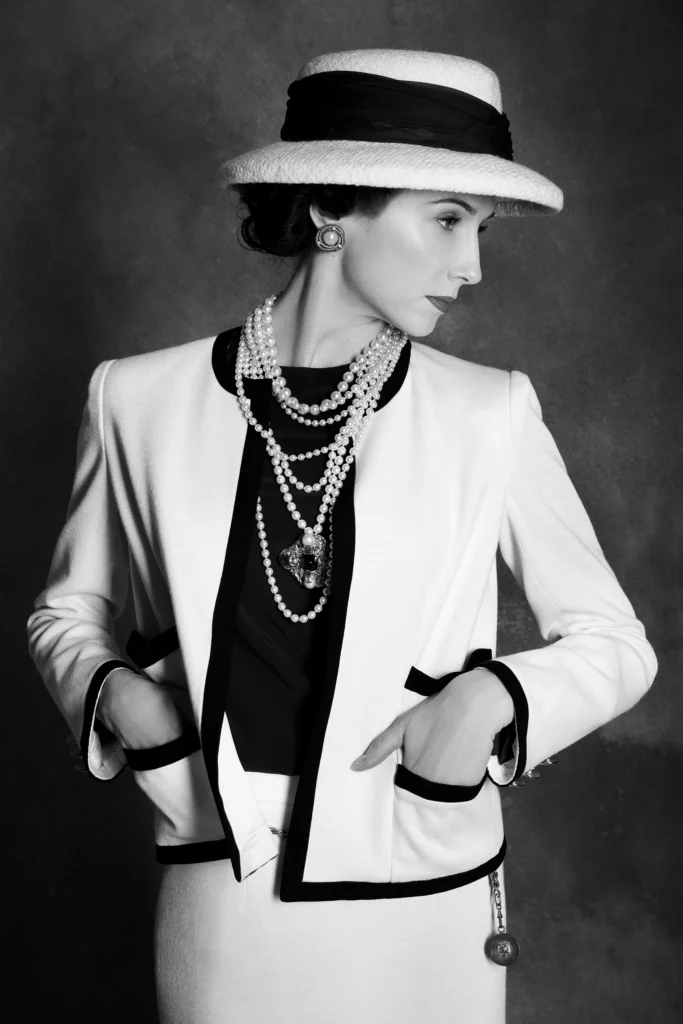
Se há um detalhe que atesta a seriedade desta produção, é a dimensão do envolvimento da CHANEL na criação dos figurinos. Sob a direção artística de Virginie Viard, o Fashion Studio da maison concebeu mais de 85 figurinos sob medida, criados exclusivamente para esta apresentação e pensados para refletir a elegância atemporal da casa.
No teatro, costuma-se elogiar o figurino por sua beleza. No balé, porém, a beleza é apenas o ponto de partida; a verdadeira questão é a função. Um figurino precisa acompanhar o movimento, sustentar sua linha sob a luz, servir à intenção do corpo e permanecer legível à distância sem se tornar ruidoso. Quando um ateliê se compromete com a criação de um guarda-roupa dessa escala para bailarinos, ele deixa de ser apenas vestuário. Passa a ser personagem, ritmo, atmosfera — uma forma de escrita cênica.
É justamente aí que a Chanel se revela especialmente afinada com o balé. A ideia mais convincente da maison sempre foi a da facilidade: roupas que não entram em conflito com o corpo, que não tratam o movimento como ameaça à silhueta. O balé, por sua vez, é uma disciplina do movimento sob pressão. Quando essas duas linguagens se encontram, o resultado deixa de ser uma simples colaboração. Torna-se uma gramática compartilhada.
Chanel e a dança: uma afinidade que faz sentido
A ligação documentada de Chanel com a dança pertence ao mesmo ecossistema modernista que moldou sua vida artística em sentido amplo. A própria maison há muito inscreve a dança em sua conversa cultural — não como associação decorativa, mas como parte de uma afinidade real. O ponto aqui não é a nostalgia. É a lógica da criação.
A dança torna mais aguda a pergunta que a obra de Chanel nunca deixou de formular: que forma a elegância moderna assume quando está em movimento? Não na passarela, mas na vida — ao caminhar, ao se voltar, ao entrar em uma sala, ao deixá-la para trás. A silhueta da Chanel sempre carregou uma promessa de movimento, e o balé transforma essa promessa em algo literal.
É justamente por isso que Gabrielle Chanel se impõe como algo maior do que branding. O palco é usado aqui como um retorno aos primeiros princípios: linha, contenção, controle — e a liberdade que nasce da recusa ao excesso.
Zakharova e a disciplina de encenar uma vida
MODANSE foi criado especialmente para Zakharova e estreou no Teatro Bolshoi em 22 de junho de 2019. Essa origem importa, porque enquadra o projeto não como uma participação pontual, mas como uma obra concebida em torno de uma bailarina capaz de sustentar, ao mesmo tempo, autoridade clássica e narrativa contemporânea.
A própria trajetória de Zakharova justifica essa escolha de forma quase natural. Prima ballerina do Bolshoi, ela construiu uma carreira no mais alto nível do repertório clássico sem jamais se fechar a novas encomendas e projetos de natureza transversal. O papel de Chanel exigia pesquisa e uma espécie de transformação interior — não uma imitação, mas uma verdadeira incorporação.
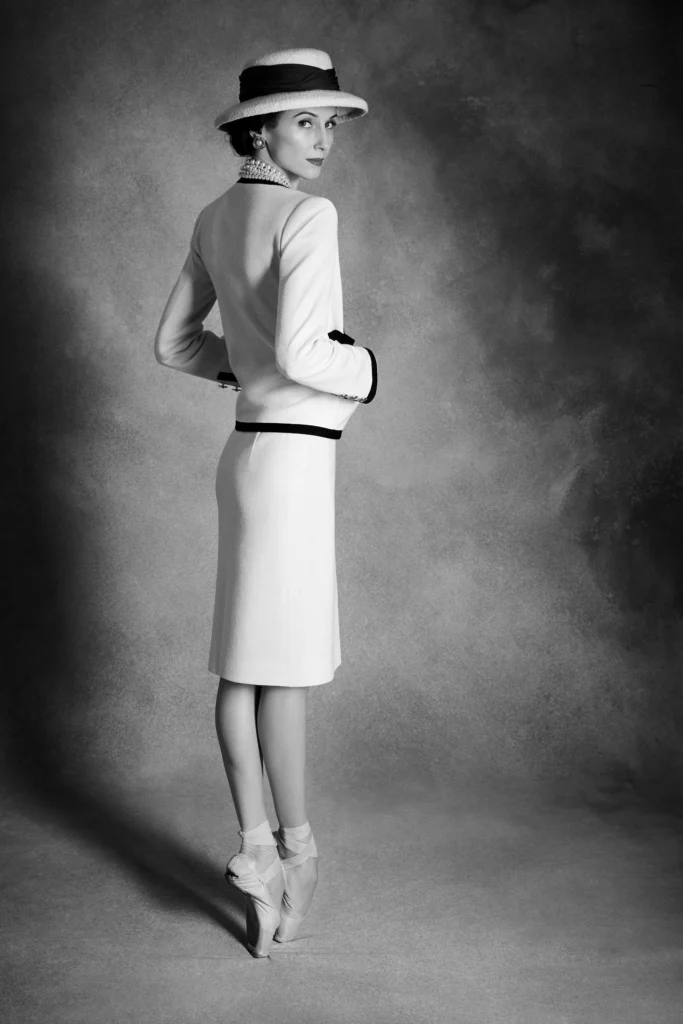
“A primeira transformação aconteceu antes mesmo da sessão de fotos, quando meu cabelo e minha maquiagem foram feitos à maneira dela, e eu vesti seu figurino e vi Chanel no espelho […] Minha tarefa, agora, é habitar sua personagem e dançar sua imagem com todas as emoções e experiências que ela desperta em mim.”
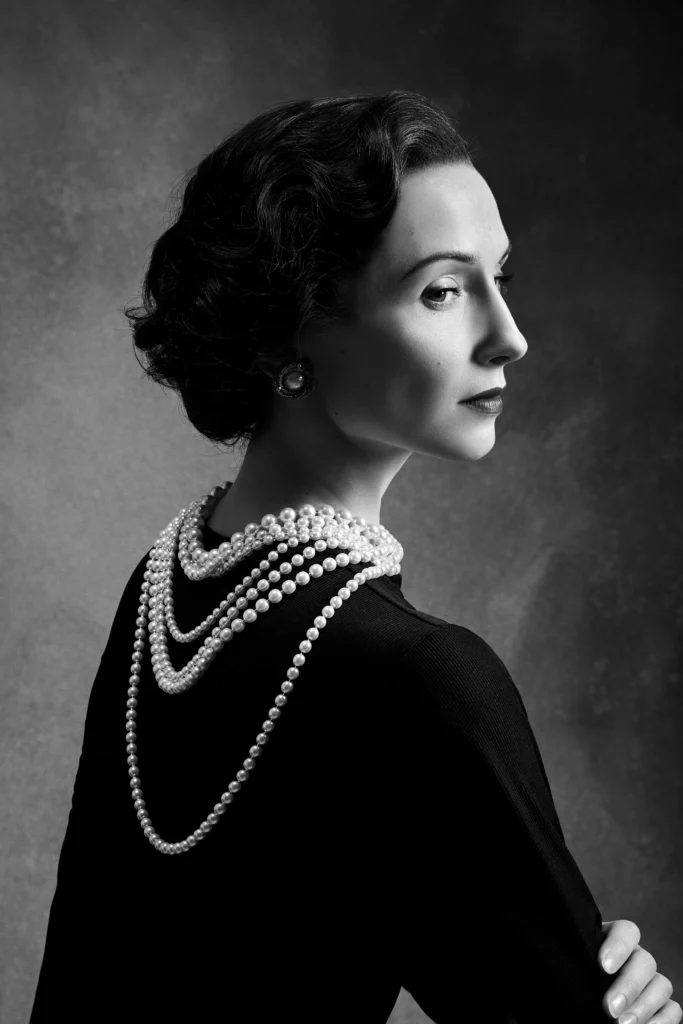
É uma tarefa de rara sutileza. Chanel é uma figura moldada pela precisão: no corte, na imagem, na própria invenção de si. Retratá-la em balé é dar forma ao controle atravessado pela emoção — a capacidade de preservar a linha mesmo quando a história por trás dela está longe de ser impecável. E Zakharova, em sua melhor forma, domina justamente esse tipo de contradição: uma clareza técnica absoluta que, ainda assim, deixa espaço para atmosfera.
Por que esta noite compensa
MODANSE funciona como proposição porque trata as linguagens envolvidas como iguais. O primeiro ato estabelece um padrão de inteligência musical e desenho físico; o segundo usa figurino, partitura e construção cênica para conduzir a narrativa sem reduzi-la a uma biografia literal. E, no centro de tudo, está uma intérprete com gravidade suficiente para fazer de Chanel uma personagem — e não apenas um conceito.
Se você for esperando uma lista de referências, talvez perca o essencial. O que permanece tende a ser algo mais simples e mais profundo: a maneira como uma silhueta se comporta quando é levada ao máximo da intensidade; a forma como a música pode sugerir interioridade sem jamais insistir nela; e o modo como uma vida pode ser reduzida à linha — e, ainda assim, continuar imediatamente reconhecível.
Em resumo
Local: Dubai Opera
Data: domingo, 8 de março de 2026
Horário: 20h
Programa:
Come Un Respiro (Like a Breath) — 45 minutos
Intervalo — 25 minutos
Gabrielle Chanel — 60 minutos
Ingressos: Reservas online aqui.