
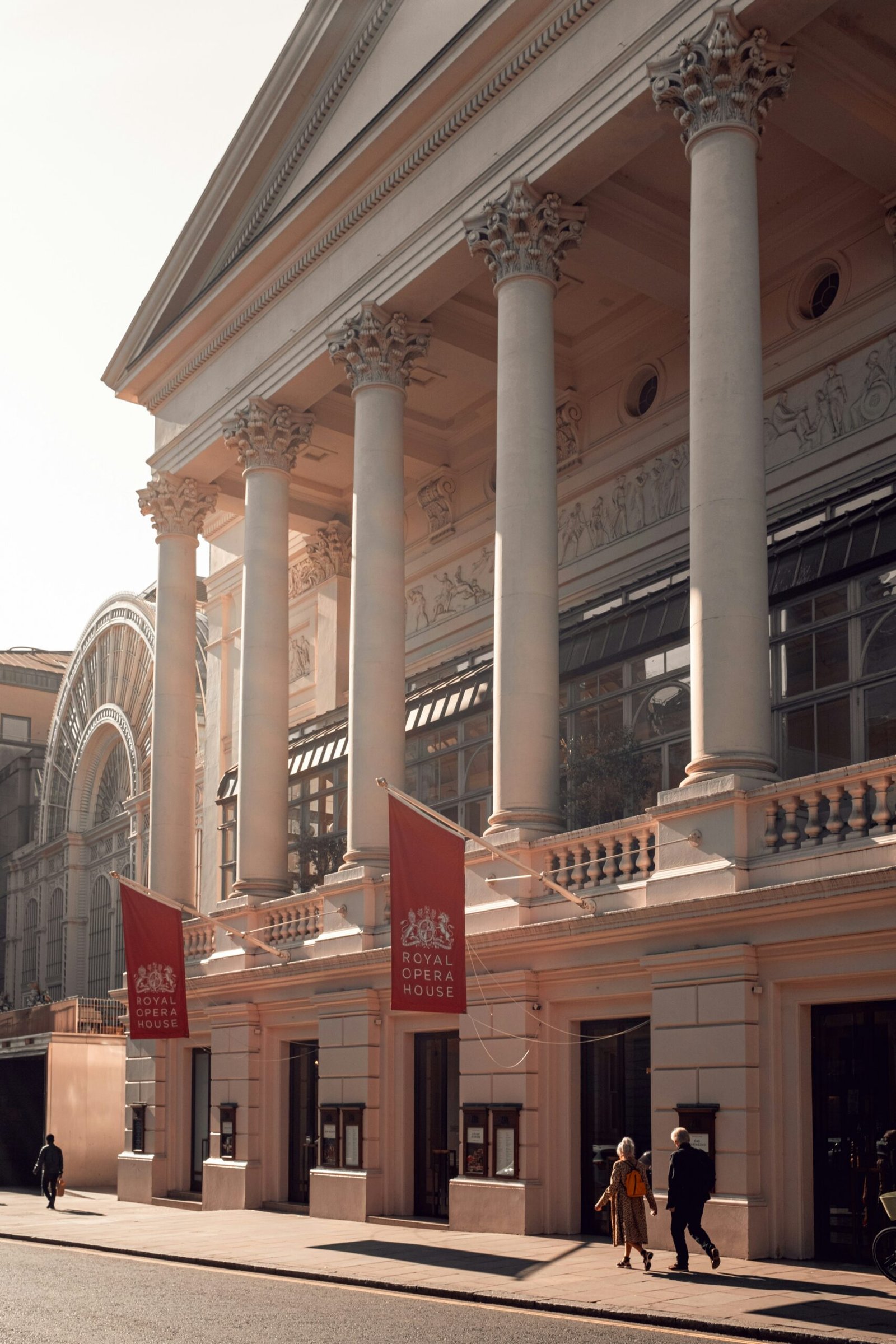

Para quem estiver na Inglaterra entre o fim de julho e o início de agosto de 2026, vale colocar este programa na agenda. No Covent Garden, dois artistas cuja influência no balé vai além da performance assumem programas de curta temporada — não como uma vitrine de grandes sucessos, mas como uma curadoria mais precisa sobre repertório, parceria e prioridade artística.
A Summer Season 2026 foi anunciada em 17 de dezembro de 2025, com dois programas distintos agendados no Royal Opera House entre o fim de julho e o início de agosto. O apelo é imediato: duas artistas, duas sensibilidades e uma oportunidade rara de observar como uma vida construída no repertório e na colaboração se transforma quando a intérprete assume também o papel de curadora.
Programas concebidos em formato de curadoria costumam produzir uma experiência diferente das temporadas tradicionais de repertório. A pergunta deixa de ser apenas “o que será dançado” e passa a ser: por que essas escolhas fazem sentido juntas? O que a artista decide colocar em primeiro plano, o que aproxima, ao que retorna e que tipo de percurso oferece ao público como uma espécie de mapa pessoal. É uma mudança sutil — menos centrada no espetáculo, mais na assinatura de quem escolhe.
A temporada
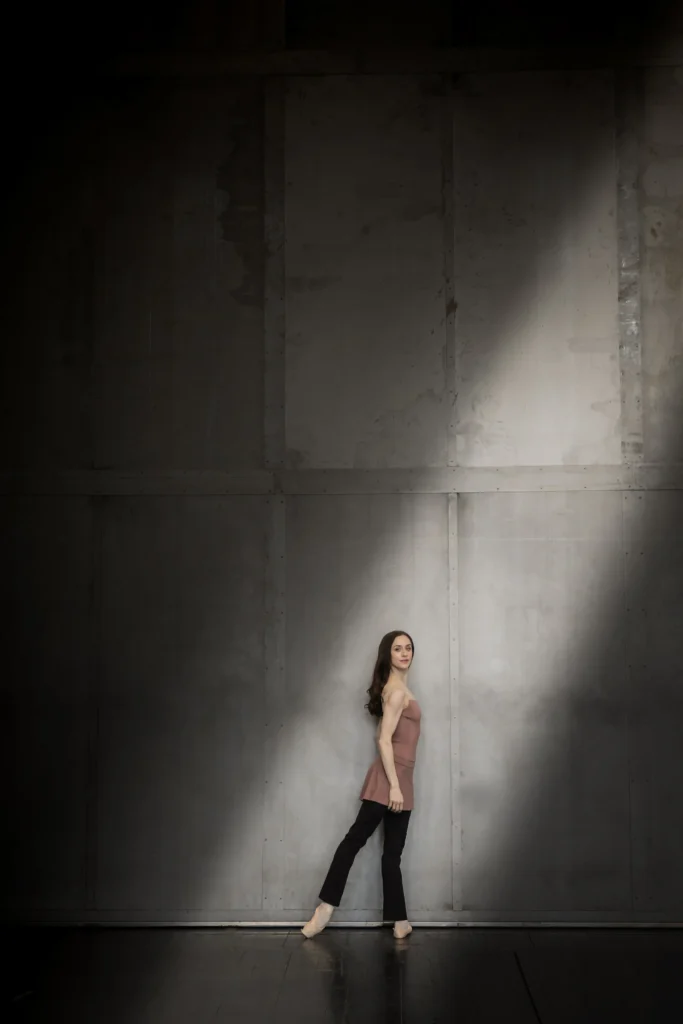
Marianel Nuñez: Timeless (29 julho a 2 de agosto de 2026)
Nuñez apresenta Timeless, descrito como uma seleção pessoal extraída do repertório do The Royal Ballet. A proposta deve reunir balés em um ato e divertissements — trechos curtos e autônomos que condensam o estilo clássico em sua forma mais concentrada: musicalidade, precisão e o prazer da virtuosidade sem o peso da narrativa.
E esse formato importa. É muitas vezes nos balés em um ato e nos divertissements que o ofício de uma companhia aparece com mais nitidez: a limpeza com que o conjunto se move como um único organismo; a maneira como as parcerias se revelam de perto; a forma como a frase de um bailarino pode devolver vida nova a uma passagem já conhecida. Em um programa apresentado como “atemporal”, o ponto não é a nostalgia. É a continuidade: aquele tipo de repertório que permanece justamente porque pode ser reencontrado sem perder sua força.
O programa será apresentado ao lado de outros bailarinos do The Royal Ballet, e a ênfase — por escolha — se inclina para a parceria e para a relação artística. As obras específicas e a escalação serão anunciadas em fevereiro de 2026.
Acosta: Myths and Modern Masters (5 a 9 de agosto de 2026)
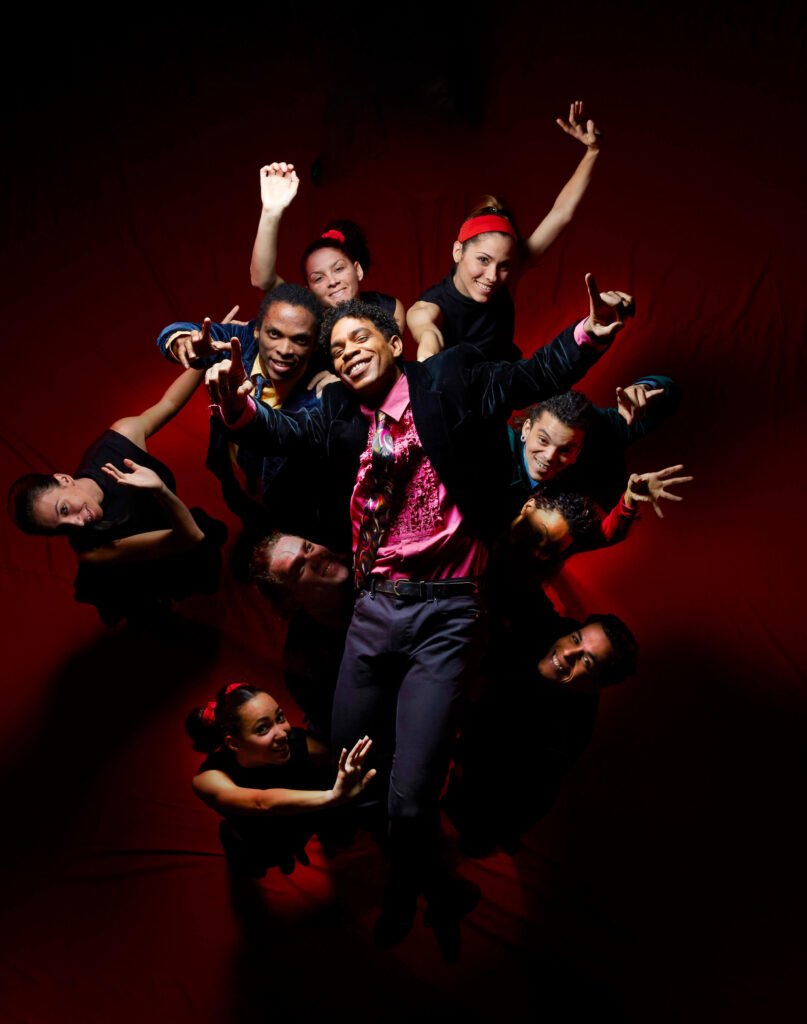
Na semana seguinte, Acosta retorna com Myths and Modern Masters, um programa que atravessa o clássico e o contemporâneo. Ele dividirá o palco com artistas convidados do Birmingham Royal Ballet e do Acosta Danza.
Mesmo sem a lista completa do repertório, o próprio título já indica a chave de leitura da noite: uma conversa entre herança e reinvenção. “Myths” sugere arquétipo, narrativa, tradição — as histórias que o balé clássico carrega há gerações. Já “Modern Masters” aponta para vozes coreográficas que ampliam o que o balé pode ser hoje: outras linguagens musicais, outros acentos físicos, outras ideias de drama e de linha. O prazer, em geral, está justamente nesse atrito: na maneira como um estilo ilumina o outro quando ambos são colocados lado a lado.
Assim como em Timeless, os detalhes das obras e da escalação serão anunciados em fevereiro de 2026, com a venda ao público prevista para março.
Por que isso importa
Em uma temporada repleta de estreias, turnês e elencos de destaque, é fácil tratar a programação como um simples exercício de agenda: datas, títulos, ingressos — e pronto. Estes dois programas, porém, pedem uma leitura mais rica. Eles colocam em cena uma pergunta que o público raramente tem a chance de fazer: o que um artista escolhe mostrar quando a própria escolha também faz parte da performance?
A curadoria — quando é realmente pensada — acrescenta uma camada extra à noite. Ela convida o público a perceber os fios que atravessam o conjunto: continuidades musicais, mudanças de tom, a forma como uma obra reposiciona a outra. E pode também transformar a atmosfera da sala. Um programa guiado pelo olhar de um bailarino tende a parecer mais íntimo, mesmo em um grande teatro, porque a noite carrega intenção — e não apenas rotina.
E, em uma temporada de verão em Londres, é justamente essa intenção que importa. O fim de julho e o início de agosto em Covent Garden têm um ritmo próprio: a cidade ligeiramente reordenada pelas noites longas e pelos visitantes; a energia ao redor da praça acentuada pelos horários de teatro; a sensação de que a cultura está acontecendo em toda parte ao mesmo tempo. Esses programas pertencem a esse momento: curtos, específicos e pensados para serem reservados como um acontecimento.
O olhar da Brivotie
Agosto em Covent Garden oferece um prazer muito particular: a luz se prolonga, o ritmo muda e o bairro se torna teatral da melhor maneira possível — menos correria, mais ritual. Chegue cedo, não para “escapar da multidão”, mas para dar à noite o prelúdio que ela merece. Há uma atmosfera muito própria naquela meia hora antes da abertura do pano: um silêncio contido do lado de dentro, um murmúrio vivo do lado de fora e a sensação de estar prestes a entrar em algo deliberadamente composto.
Depois do espetáculo, vale fazer o caminho de volta pelo trajeto mais longo. Não necessariamente mais distante — apenas mais lento. Covent Garden costuma parecer outra paisagem quando o público se dispersa: mais silenciosa, mais ampla, mais arquitetônica. A caminhada passa a integrar a cadência da noite, como uma espécie de descompressão elegante que permite ao que foi visto se acomodar.
Se você for passar a noite na região, vale escolher um hotel a uma distância que possa ser feita a pé, para que a experiência não termine nas portas de saída. Vista-se com intenção — ainda é o Opera House —, mas sem rigidez; as noites de agosto podem esfriar, e conforto também importa quando se quer sustentar a atenção ao longo de toda a noite. Para quem vier de fora de Londres, planejar com antecedência continua sendo a escolha mais inteligente — agosto costuma apertar a cidade em pequenos detalhes bastante práticos.
Datas
- Fevereiro 2026: Detalhes da programação e elenco
- Março 2026: Início das vendas ao público
- 29 de julho a 2 de agosto 2026: Timeless
- 5 a 9 de agosto 2026: Myths and Modern Masters
Local: Royal Opera House, Covent Garden, Londres – WC2E 9DD
Informações importantes
Quando os ingressos começam a ser vendidos?
A venda ao público abre em março de 2026.
O que será apresentado?
Timeless reunirá balés em um ato e divertissements do repertório do The Royal Ballet. Myths and Modern Masters trará uma combinação de obras clássicas e contemporâneas. As peças específicas e a escalação serão confirmadas em fevereiro de 2026.
Atualizações
Informações conforme divulgadas pelo The Royal Ballet and Opera (rbo.org.uk).